
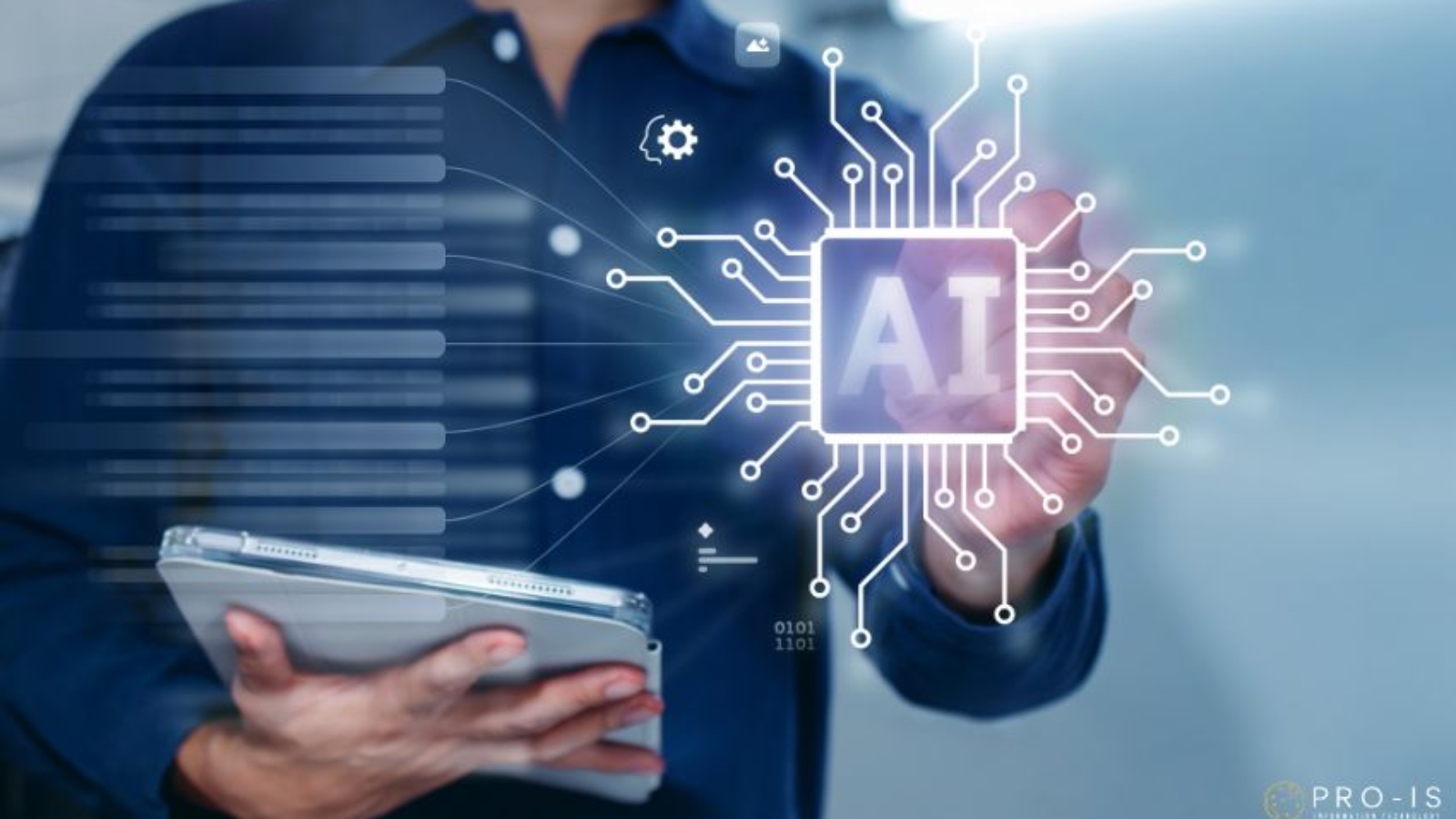
AI is Transforming IT Security and Malware Threats
AI is revolutionizing IT security, transforming how we combat malware threats. Discover how these innovations enhance protection and redefine cybersecurity.
The landscape of malware has evolved significantly over the years. In the early days of cybersecurity, malware was relatively simple and easy to detect. Viruses and worms were the primary threats, and they typically spread through infected floppy disks or email attachments. Detection methods relied heavily on signature-based techniques, which involved identifying unique patterns in the malware code. This approach was effective at the time, given the limited complexity of the threats.
However, as technology advanced, so did the sophistication of malware. Cybercriminals began to develop more complex and elusive forms of malware, such as Trojans, ransomware, and polymorphic viruses. These threats were designed to evade traditional detection methods by constantly changing their code or behavior. The rise of the internet and increased connectivity also provided new avenues for malware distribution, making it easier for cybercriminals to launch large-scale attacks.
Today, we are witnessing a new chapter in the evolution of malware: AI-powered threats. Cybercriminals are now leveraging artificial intelligence and machine learning to create more advanced and adaptive forms of malware. These AI-driven threats can analyze and learn from their environment, allowing them to bypass security measures and adapt to new defenses quickly. As a result, traditional detection methods are becoming less effective, and there is a growing need for more advanced cybersecurity solutions.
How AI Enhances Threat Detection and Response
Artificial intelligence is playing a crucial role in enhancing threat detection and response in cybersecurity. One of the primary ways AI achieves this is through advanced pattern recognition. Unlike traditional methods that rely on pre-defined signatures, AI can analyze vast amounts of data to identify patterns and anomalies that may indicate a threat. This ability to detect subtle changes in behavior or traffic patterns allows AI to identify potential threats that would otherwise go unnoticed.
Another significant advantage of AI in threat detection is its ability to process and analyze data at an unprecedented scale and speed. Cybersecurity teams are often overwhelmed by the sheer volume of data generated by network traffic, logs, and alerts. AI can sift through this data in real-time, identifying potential threats and prioritizing them based on their severity. This not only improves the accuracy of threat detection but also allows security teams to respond more quickly and effectively.
AI also enhances threat response by automating many of the tasks that would typically require human intervention. For example, AI-driven security systems can automatically isolate compromised devices, block malicious IP addresses, and deploy patches or updates to vulnerable systems. This automation reduces the time it takes to respond to threats, minimizing the potential damage and preventing the spread of malware. Additionally, AI can provide security teams with actionable insights and recommendations, helping them make more informed decisions and improve their overall security posture.

The Role of Machine Learning in Identifying Vulnerabilities
Machine learning is a subset of artificial intelligence that focuses on enabling systems to learn from data and improve their performance over time. In the context of cybersecurity, machine learning plays a critical role in identifying vulnerabilities and strengthening defenses. One of the primary ways machine learning achieves this is through anomaly detection. By analyzing historical data, machine learning algorithms can establish a baseline of normal behavior for a system or network. Any deviation from this baseline can be flagged as a potential vulnerability or threat, allowing security teams to investigate and address the issue before it can be exploited.
Another important application of machine learning in cybersecurity is predictive modeling. Machine learning algorithms can analyze large datasets to identify patterns and trends that may indicate potential vulnerabilities. For example, by examining past security incidents and their root causes, machine learning models can predict which systems or applications are most likely to be targeted by cybercriminals. This information can help organizations prioritize their security efforts and focus on addressing the most critical vulnerabilities.
Machine learning also plays a key role in identifying zero-day vulnerabilities, which are previously unknown security flaws that have not yet been patched. Traditional security measures often struggle to detect zero-day vulnerabilities because they rely on known signatures or patterns. However, machine learning algorithms can analyze the behavior of applications and systems to identify unusual or suspicious activity that may indicate the presence of a zero-day vulnerability. This proactive approach allows organizations to address vulnerabilities before they can be exploited by cybercriminals.
Predictive Analytics: Anticipating Cyber Attacks with AI
Predictive analytics leverages the power of AI to forecast future events based on historical data. In the realm of cybersecurity, predictive analytics is a game-changer, allowing organizations to anticipate and prepare for potential cyber attacks before they occur. By analyzing past incidents and identifying patterns, AI can provide valuable insights into the tactics, techniques, and procedures (TTPs) used by cybercriminals.
One of the key benefits of predictive analytics in cybersecurity is its ability to identify emerging threats. Cybercriminals are constantly evolving their methods, and new threats can emerge at any time. Predictive analytics can analyze trends and indicators to forecast the likelihood of new attack vectors or malware strains. This proactive approach allows organizations to stay one step ahead of cybercriminals and implement preventive measures to mitigate the risk.
Another significant advantage of predictive analytics is its ability to prioritize security efforts. Not all threats are created equal, and some pose a greater risk to an organization than others. Predictive analytics can help security teams identify which threats are most likely to impact their organization and focus their resources on addressing those high-priority risks. This targeted approach not only improves the efficiency of security operations but also enhances the overall security posture of the organization.
Predictive analytics also plays a crucial role in incident response. By analyzing past incidents and their outcomes, AI can provide insights into the effectiveness of different response strategies. This information can help organizations refine their incident response plans and improve their ability to contain and mitigate the impact of cyber attacks. Additionally, predictive analytics can help security teams identify potential indicators of compromise (IOCs) and take proactive measures to prevent an attack from escalating.
AI-Driven Security Solutions: Tools and Technologies
The integration of AI into cybersecurity has led to the development of a wide range of AI-driven security solutions. These tools and technologies are designed to enhance threat detection, response, and prevention, providing organizations with more robust and effective defenses against cyber threats.
One of the most common AI-driven security solutions is the use of AI-powered intrusion detection and prevention systems (IDPS). These systems leverage machine learning algorithms to analyze network traffic and identify potential threats in real-time. By continuously monitoring for anomalies and suspicious activity, AI-powered IDPS can detect and block malicious traffic before it can cause harm. This proactive approach helps organizations stay ahead of cyber threats and minimize the risk of data breaches.
Another important AI-driven security solution is the use of automated threat intelligence platforms. These platforms collect and analyze threat data from various sources, including dark web forums, social media, and threat feeds. By leveraging AI and machine learning, these platforms can identify emerging threats and provide actionable intelligence to security teams. This information can help organizations stay informed about the latest threats and vulnerabilities, allowing them to take proactive measures to protect their systems and data.
AI is also being used to enhance endpoint security. Traditional endpoint security solutions often rely on signature-based detection methods, which can struggle to keep up with the constantly evolving threat landscape. AI-powered endpoint security solutions, on the other hand, use machine learning to analyze the behavior of applications and processes running on endpoints. By identifying unusual or suspicious activity, these solutions can detect and block malware, ransomware, and other threats before they can cause damage.
Case Studies: Successful Implementation of AI in IT Security
Several organizations have successfully implemented AI in their IT security strategies, demonstrating the significant benefits of AI-driven solutions in protecting against cyber threats. One notable example is the financial services industry, where institutions are constantly targeted by cybercriminals seeking to steal sensitive financial data. A leading global bank implemented an AI-powered threat detection system to enhance its cybersecurity defenses. The system uses machine learning algorithms to analyze network traffic and detect anomalies indicative of potential threats. Since its implementation, the bank has reported a significant reduction in successful cyber attacks and has been able to respond more quickly to potential threats.
Another case study involves a large healthcare organization that faced the challenge of protecting sensitive patient data from cyber threats. The organization implemented an AI-driven endpoint security solution to enhance its defenses. The solution uses machine learning to analyze the behavior of applications and processes running on endpoints, allowing it to detect and block malware and other threats. Since deploying the solution, the healthcare organization has seen a significant reduction in malware infections and has been able to better protect patient data.
A third example comes from the retail industry, where a major e-commerce company was struggling to keep up with the constantly evolving threat landscape. The company implemented an AI-powered threat intelligence platform to enhance its threat detection and response capabilities. The platform collects and analyzes threat data from various sources, providing the company with actionable intelligence on emerging threats. As a result, the company has been able to stay ahead of cybercriminals and protect its customers’ data more effectively.
Challenges and Limitations of AI in Cybersecurity
While AI offers significant benefits in enhancing IT security, it is not without its challenges and limitations. One of the primary challenges is the quality and quantity of data required for effective machine learning. AI systems rely on large datasets to train and improve their algorithms. However, obtaining high-quality and diverse datasets can be challenging, especially in the context of cybersecurity, where threat landscapes are constantly evolving. Additionally, the lack of standardized data formats and the presence of noisy or incomplete data can impact the accuracy and effectiveness of AI-driven security solutions.
Another limitation of AI in cybersecurity is the potential for false positives and false negatives. While AI can significantly improve threat detection, it is not infallible. False positives, where benign activity is mistakenly identified as a threat, can lead to unnecessary alerts and increased workloads for security teams. On the other hand, false negatives, where actual threats go undetected, can leave organizations vulnerable to cyber attacks. Balancing the sensitivity and accuracy of AI-driven security solutions is a constant challenge that requires ongoing refinement and tuning.
The integration of AI in cybersecurity also raises concerns about the potential for adversarial attacks. Cybercriminals are increasingly developing techniques to evade AI-driven security measures. Adversarial attacks involve manipulating input data to deceive AI systems and cause them to make incorrect decisions. For example, an attacker might craft malware that is specifically designed to bypass AI-based detection algorithms. Addressing the threat of adversarial attacks requires ongoing research and the development of more robust and resilient AI models.
Future Trends: What to Expect from AI in IT Security
The future of AI in IT security is promising, with several trends poised to shape the landscape in the coming years. One of the most significant trends is the continued advancement of machine learning algorithms. As research in AI and machine learning progresses, we can expect more sophisticated algorithms that are better at detecting and responding to complex threats. These advancements will enable AI-driven security solutions to stay ahead of cybercriminals and provide more effective protection for organizations.
Another emerging trend is the integration of AI with other advanced technologies, such as blockchain and the Internet of Things (IoT). The combination of AI and blockchain can enhance the security and integrity of data by providing decentralized and tamper-proof records of transactions. In the context of IoT, AI can play a crucial role in securing the vast network of connected devices by monitoring and analyzing their behavior for potential threats. The convergence of AI with these technologies will create new opportunities for enhancing IT security and addressing emerging challenges.
The use of AI for proactive threat hunting is also expected to become more prevalent. Threat hunting involves actively searching for signs of malicious activity within an organization’s network, rather than waiting for alerts from automated systems. AI can assist threat hunters by analyzing vast amounts of data and identifying patterns that may indicate the presence of a threat. This proactive approach will help organizations uncover hidden threats and vulnerabilities, allowing them to take preventive measures and improve their overall security posture.
Conclusion: The Importance of Embracing AI for Enhanced Security
In conclusion, AI is transforming IT security and redefining how we combat malware threats. From enhancing threat detection and response to identifying vulnerabilities and predicting cyber attacks, AI-driven solutions offer significant benefits for organizations looking to strengthen their cybersecurity defenses. The successful implementation of AI in various industries demonstrates its potential to improve security outcomes and protect sensitive data from cyber threats.
However, it is essential to acknowledge the challenges and limitations of AI in cybersecurity. Ensuring the quality and quantity of data, addressing false positives and false negatives, and mitigating the risk of adversarial attacks are critical considerations for organizations adopting AI-driven security solutions. Ongoing research and development are necessary to refine AI algorithms and create more resilient and effective security measures.
Looking ahead, the future of AI in IT security is bright, with continued advancements in machine learning, integration with other technologies, and the rise of proactive threat hunting. By embracing AI and leveraging its capabilities, organizations can stay ahead of cybercriminals and build a more secure digital environment. As the threat landscape continues to evolve, AI will play an increasingly vital role in safeguarding our systems and data, making it an indispensable tool in the fight against cyber threats.
Whether you’re scaling a startup in Boulder or managing an established enterprise in Greeley or Fort Collins, your technology should be an asset, not a bottleneck. At PRO-IS, we’re proud to be the frontline defense for Colorado’s business community, offering the managed IT and cybersecurity expertise you need to stay competitive. Don’t leave your infrastructure to chance—reach out to our local team at (970) 613-0980 for a no-obligation consultation today.